

Divalproex: Uses, Side Effects, Dosage, and Safety Information
Divalproex is a widely prescribed medication used to manage neurological and psychiatric conditions, particularly epilepsy, bipolar disorder, and migraine headaches.
Known for its effectiveness in stabilizing brain activity, it’s important to understand how Divalproex works, its potential side effects, appropriate dosages, and how to use it safely.
In this guide, MyCyberClinic will explore the key information you need to know before taking or prescribing Divalproex.
What Is Divalproex?
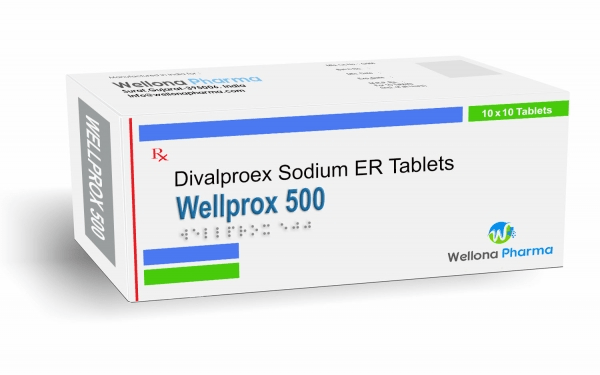
Divalproex (also known by the brand name Depakote) is a prescription medication that contains divalproex sodium, a compound that breaks down into valproic acid in the body. Valproic acid affects chemicals in the brain that may be involved in causing seizures, mood swings, or migraines.
Uses of Divalproex
Divalproex is FDA-approved for several important conditions and is also used off-label in others:
1. Epilepsy (Seizure Disorders) Divalproex helps control different types of seizures, including absence seizures, complex partial seizures, and generalized tonic-clonic seizures.
2. Bipolar Disorder It is commonly used to treat manic episodes in people with bipolar disorder, helping to stabilize mood and reduce aggression or impulsivity.
3. Migraine Prevention Divalproex is effective in preventing migraines, although it is not used to treat migraines once they have started.
4. Off-Label Uses Doctors may prescribe it off-label for conditions like borderline personality disorder, schizoaffective disorder, or chronic pain in certain cases.
Understanding Divalproex Sodium: Uses and Applications

Divalproex sodium is a prescription medication available in various pill forms, including tablets and capsules. It is used to treat several neurological and psychiatric conditions, with specific formulations tailored to each use.
One of the primary uses of divalproex sodium is in the treatment of seizures associated with epilepsy. It is typically prescribed for individuals aged 10 and older.
In many cases, it may be used alone or in combination with other anti-seizure medications to help control different types of seizures.
In addition to epilepsy, divalproex sodium is commonly prescribed to adults for managing bipolar disorder, particularly for treating manic episodes. Manic episodes involve periods of abnormally elevated mood, increased activity or energy, and other symptoms associated with bipolar disorder.
Divalproex sodium is also used in adults to help prevent migraine headaches. While it is not used to treat an active migraine, it can reduce the frequency and severity of future attacks when taken regularly.
In some cases, healthcare providers may prescribe divalproex sodium for off-label uses, meaning for conditions not officially listed in the medication’s guide.
As with any medication, it should be taken exactly as prescribed, and patients should consult their doctor if they have any questions or concerns about its use.
Divalproex Dosage
The dosage of Divalproex depends on the condition being treated, the patient’s age, weight, and medical history. It is available in multiple forms:
- Tablets (delayed-release or extended-release)
- Capsules
- Oral solution
Typical Dosage Guidelines:
- Seizures: Initial doses usually range from 10–15 mg/kg/day, gradually increased to a maintenance dose.
- Bipolar disorder: Initial dose is often 750 mg/day, adjusted based on clinical response and blood levels.
- Migraine prevention: Commonly 250 mg twice daily or 500 mg extended-release once daily.
Always follow your doctor’s instructions and never adjust your dose without medical advice.
Side Effects of Divalproex
Like all medications, Divalproex may cause side effects. These can vary from mild to severe:
Common Side Effects:
- Nausea
- Dizziness
- Drowsiness
- Weight gain
- Hair loss
- Tremors
Serious Side Effects:
- Liver damage (hepatotoxicity)
- Pancreatitis
- Suicidal thoughts or behaviors
- Low platelet count
- Birth defects if used during pregnancy
Black Box Warning: Divalproex has serious risks of liver failure, especially in children under 2 years old, and must not be used during pregnancy unless absolutely necessary.
Safety Information and Precautions
To use Divalproex safely, keep the following in mind:
- Regular blood tests are often required to monitor liver function and drug levels.
- Avoid alcohol while taking Divalproex.
- Do not stop suddenly—this can trigger seizures or mood episodes.
- Pregnancy caution: Divalproex can cause serious birth defects. Women of childbearing age should use effective contraception.
Drug Interactions
Divalproex may interact with other medications, including:
- Warfarin (increased bleeding risk)
- Aspirin (can alter valproic acid levels)
- Antidepressants and antipsychotics
- Other seizure medications (e.g., phenytoin, carbamazepine)
Always provide your doctor with a full list of medications and supplements you are taking.
Conclusion
Divalproex is a powerful and effective medication for managing seizures, bipolar disorder, and migraine prevention. However, it must be used carefully under medical supervision due to potential side effects and serious risks. By understanding its proper use and safety measures, patients and caregivers can better manage treatment and improve outcomes.
FAQs
Is Divalproex the same as Depakote? Yes, Depakote is a brand name for medications that contain divalproex sodium, used for seizures, bipolar disorder, and migraine prevention.
How long does it take for Divalproex to work? Effects may begin within a few days for mood stabilization but can take 1–2 weeks for full effectiveness, especially in seizure control or migraine prevention.
Can Divalproex cause weight gain? Yes, weight gain is a common side effect, especially with long-term use. A healthy diet and regular exercise can help manage this.
Is Divalproex safe during pregnancy? No. Divalproex carries a high risk of birth defects and developmental disorders. It should only be used during pregnancy if no safer alternative is available.
Can I stop taking Divalproex suddenly? No. Stopping Divalproex suddenly can lead to severe withdrawal symptoms, seizures, or mood instability. Always taper off under medical supervision.